Beyond this exhaustion characterised by a lack of essential nutrients, your body needs to physically recover from pregnancy and childbirth. It needs to regain its strength and take in the nutrients that support its tissues and bones, and replenish its reserves. So no post-pregnancy diets!
Proteins to support your muscles and tissues
Proteins help rebuild your muscles and tissues by contributing to the maintenance of muscle mass, and will also provide you with energy. They allow the body to recover after exertion and help reduce inflammation [3].
Bones, bone marrow, and connective tissues are largely made of collagen. Collagen is the most abundant structural protein in the body, accounting for a quarter of the body's proteins [4].
Collagen will be important in recovery after birth as it contains the following amino acids:
Glycine: plays a role in the proper functioning of the immune system [5] and supports muscle repair
Glutamine: plays a role, among other things, in protein synthesis and immune protection [6]
Proline: anti-inflammatory [7], supports healthy healing and helps with tissue renewal [8]
Studies have also shown that collagen may play a role in reducing joint pain related to childbirth [9].
Collagen and these amino acids are found in abundance in the connective tissues, bones, and skin of animal-based foods.
Electrolytes and fluids are essential to replace those lost during labour.
The bone broth is the dish of choice during this period: it contains all these nutrients, electrolytes, and will also be comforting!
Bonus: in the postpartum period, sometimes significant hair loss can occur. Collagen may play a role in keeping your hair strong and nourished, and may also help prevent your nails from breaking or splitting. [10]
Our range of organic liquid bone broths is made for you: Mama Poule, chicken-based with nearly 6g of collagen per jar, or Mama beef, beef-based with nearly 15g of collagen per jar.
To stock up on protein, Purple power (blueberry) or Choconut power (chocolate hazelnut) provide 5g of plant protein per serving.
A good intake will also be very important when you resume exercise after birth.
Carbohydrates to stock up on energy
Carbohydrates are the main nutrients that provide your body with the energy it needs. Childbirth is an intense ordeal, and consuming carbohydrates after this effort will help replenish your glycogen stores (the energy source) in the liver and muscles [11].
Wholegrains-based starchy foods will help you stock up on energy for the day, maintain your blood sugar balance, and give you an extra energy boost.
Think wholegrain wheat, wholemeal pasta, brown or wild rice, cereals (quinoa, barley, etc.), legumes, and nuts and seeds.
Supporting an anti-inflammatory diet
Anti-inflammatory foods will also help support your body and tissues, as reducing the inflammatory response allows muscles and tissues to recover [12].
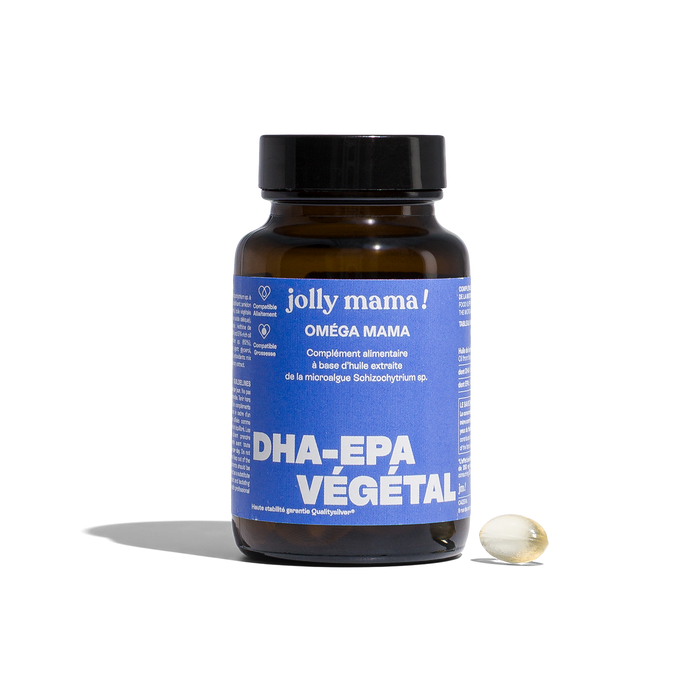
To do this, stock up on omega-3s! Healthy fats will also help your body absorb the other nutrients you eat, as well as boosting your energy.
Fats are also a major component of breast milk, so an optimal intake is essential.
Some omega-3-rich foods:
Oily fish (salmon, sardines, and cod)
Cashew nuts
Flaxseeds
Chia seeds
Replenishing your calcium levels
During pregnancy, the growing baby needs a great deal of calcium to develop its skeleton. This need is particularly important during the last 3 months of pregnancy. If the mother does not consume enough calcium, her baby will draw what it needs from the mother's bones [13].
To find out more, have a look at our article on calcium and pregnancy.
During breastfeeding, the body continues to draw calcium from the mother's bones to pass it into breast milk (studies have shown that women often lose 3 to 5% of their bone mass during breastfeeding [14]). If needed, you can take a breastfeeding food supplement containing vitamins D3 and K2 to support calcium metabolism.
A sufficient calcium intake is essential to prevent long-term bone loss and osteoporosis.
Some calcium-rich foods:
Low-fat dairy products
Seeds and nuts
Small fish (sardines)
Legumes and leafy green vegetables
Making up for iron losses in your postpartum diet
Your iron requirements are high after giving birth because you have lost a significant amount of blood during labour, which was accompanied by iron loss. A good iron status is important as it is necessary for physical growth, the formation of red blood cells, cellular function, and the synthesis of certain hormones [15]. Low levels (such as those seen in anaemia) can contribute to fatigue, dry and brittle nails and hair, as well as an increased risk of developing a postnatal depression [16].
During the postpartum period, the WHO recommends a iron supplementation, either alone or in combination with vitamin B9, as this may help reduce the risk of anaemia by improving the mother's iron status [17].
Some iron-rich foods:
Lentils
Liver
Prawns
Lamb
Beef
Spinach
Walnuts
Iron Mama, our iron supplement pregnancy, covers 100% of the recommended daily iron intake in just 1 capsule. Say goodbye to the discomfort associated with iron capsules — with our Ferrochel™ iron bisglycinate, our capsules combine optimal absorption with digestive comfort. Ideal before, during, and after pregnancy.
Our snack Croquantissime is enriched with iron! One snack covers 50% of the recommended daily intake (7mg). Our formula contains a form of iron that combines bioavailability (90.9%) and comfort: bisglycinate.
Our granola Granochoc is enriched with iron! 100g of granola provides 7mg of elemental iron (50% of the recommended daily intake by health authorities).
The essential vitamins and minerals for healing
Also pair your iron intake with good intake of vitamin C, which support iron absorption as well as wound healing after birth and collagen synthesis [18].
In fruits and vegetables (acerola, guava, orange).
The vitamin A also improves the early inflammatory phase of healing; it enhances the localisation and stimulation of the immune response [19].
Offal, liver, carrots, spinach, cabbage, beetroot.
The zinc as a supplement is necessary for the immune system and recovery after birth, and supports protein synthesis [20].
Eat seafood, liver, pulses, walnuts, pumpkin seeds, and wholegrains such as brown rice.
Fibre for a healthy digestive transit
Many women suffer from haemorrhoids during pregnancy or develop them during the pushing phase of labour. It is also common to experience postpartum constipation due to childbirth and iron supplements. Studies show that fibre consumption increases stool frequency as well as consistency [21].
For this, we recommend wholegrain cereals, brown rice, berries, prunes, almonds, desiccated coconut, avocados, and legumes (lentils, chickpeas, white, red, or black beans, etc.).
Don't forget to drink plenty of water when you increase your fibre intake, as the effect of fibre on digestive transit is linked to water absorption — so if water intake is low, increasing fibre consumption can actually raise the risk of constipation [22]. Avoid salads and other raw vegetables in the days following birth. Your body needs warmth, comfort, and nourishment.