


Nausea and vomiting
Why this product?

Baby Bump
Multivitamin DHA pregnancy & fertility
£40.02
14 essential nutrients + DHA + Choline
Replaces folic acid (methylated and patented vitamin B9 Quatrefolic®).
Contains choline, an essential nutrient
Contributes to the nutritional needs of pregnancy
Acid reflux
Constipation
Digestive disorders

Heavy legs
5 other strange symptoms of pregnancy
Conclusion

Baby Bump
Multivitamin DHA pregnancy & fertility
£40.02
14 essential nutrients + DHA + Choline
Replaces folic acid (methylated and patented vitamin B9 Quatrefolic®).
Contains choline, an essential nutrient
Contributes to the nutritional needs of pregnancy


Bye bye nausea
Ginger supplement for nausea
15 to 30-day course (30 sachets)
Apple and ginger flavour
£26.10


Light Legs
Herbal supplement for light legs
20 ampoules of 10 ml (3 weeks)
Compatible with breastfeeding and pregnancy (from the 4th to the 8th month)
from
£27.84
Purchase options


Mama Dreams
Sleep supplement based on glycine
Lemon balm, chamomile, glycine
Compatible with pregnancy and breastfeeding
from
£27.84
Purchase options


Mama Poule
Organic chicken bone broth
6 chicken bone broths or "bone broth" 100% organic
6g of collagen per pot
from
£38.28
Purchase options
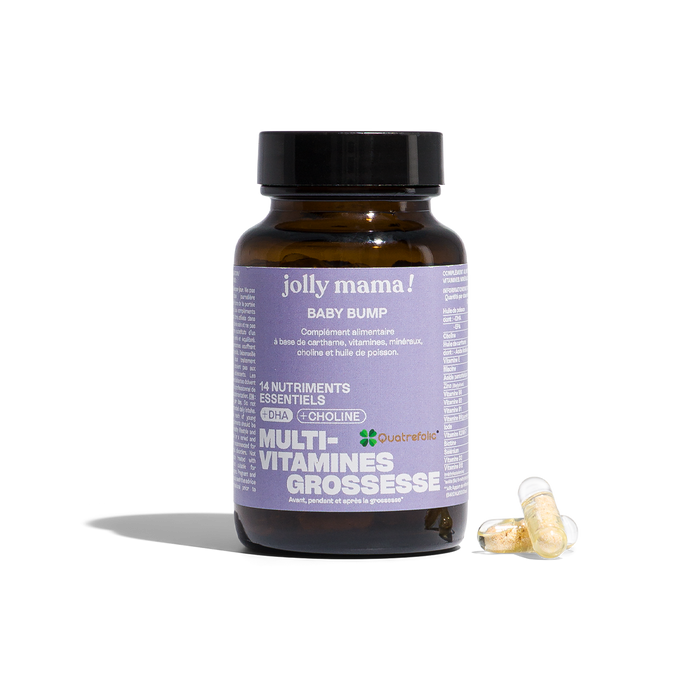

Baby Bump
Multivitamin DHA pregnancy & fertility
14 essential nutrients + DHA + Choline
Ultra-complete 3-in-1 formula with duocaps™ capsule
from
£40.02
Purchase options
Bye bye nausea
Ginger supplement for nausea
15 to 30-day course (30 sachets)
Apple and ginger flavour
£26.10
Baby Bump
Multivitamin DHA pregnancy & fertility
from
£40.02

Bye bye nausea
Ginger supplement for nausea
£26.10

Light Legs
Herbal supplement for light legs
from
£27.84

Mama Dreams
Sleep supplement based on glycine
from
£27.84

Mama Poule
Organic chicken bone broth
from
£38.28


