


The perimenopause: a period of increased nutritional needs
Why this product?

Péri Essentials
Perimenopause vitamin supplement
£26.17
Contributes to reducing tiredness
Supports metabolism
Patented Bacopa to support mental clarity
Before, during and after the menopause
100% vegan formula
Which nutrients are particularly important?
Should I systematically take supplements?
Jolly Mama solutions
Build healthy daily habits
Vitamins and perimenopause: a summary

Péri Essentials
Perimenopause vitamin supplement
£26.17
Contributes to reducing tiredness
Supports metabolism
Patented Bacopa to support mental clarity
Before, during and after the menopause
100% vegan formula


Péri Support
Herbal supplement for perimenopause
Formula for perimenopause, from age 35
Helps relieve several symptoms
from
£29.66
Purchase options
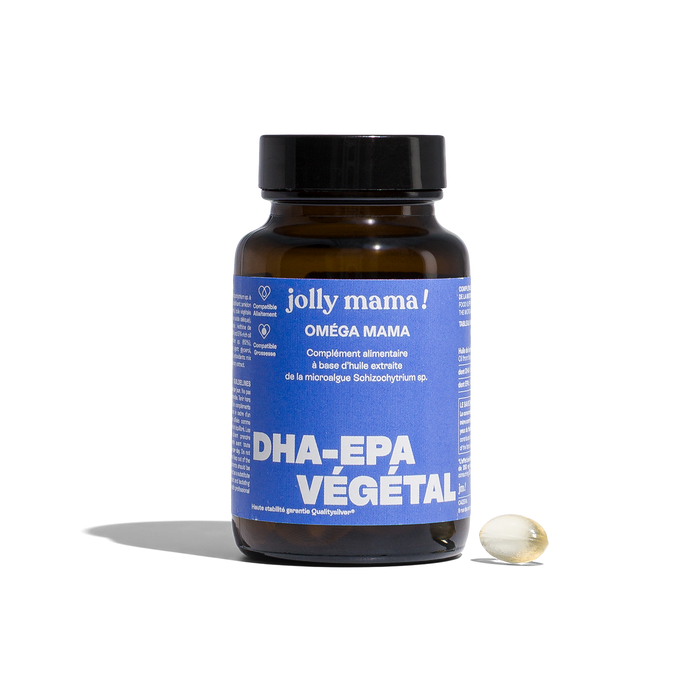

Omega Mama
Plant-based DHA and EPA supplement
250 mg of DHA per capsule
Exceptional stability: Totox index of 4, thanks to Qualitysilver® technology
from
£20.07
Purchase options


Zinc Mama
Zinc food supplement
1 capsule covers 100% of daily requirements
For fertility, skin, hair and immunity
from
£17.45
Purchase options


Mama-gnésium
Magnesium bisglycinate supplement
100% magnesium bisglycinate
The most bioavailable form
from
£21.81
Purchase options


Péri Essentials
Perimenopause vitamin supplement
Before, during and after the menopause
17 essential nutrients
from
£26.17
Purchase options
Péri Support
Herbal supplement for perimenopause
Formula for perimenopause, from age 35
Helps relieve several symptoms
from
£29.66
Purchase options


-20% sitewide with BACK20
Péri Essentials
Perimenopause vitamin supplement
from
£26.17

Péri Support
Herbal supplement for perimenopause
from
£29.66

Omega Mama
Plant-based DHA and EPA supplement
from
£20.07

Zinc Mama
Zinc food supplement
from
£17.45

Mama-gnésium
Magnesium bisglycinate supplement
from
£21.81


