Skip to content
Personalised assessment
Arrêt pilule : comprendre, accompagner et équilibrer son corps naturellement

Stopping the pill: understanding, supporting and naturally rebalancing your body

Contents

Stopping the pill is an important milestone in a woman's hormonal life. Once you stop, the brain and ovaries begin communicating again, restarting the natural production of oestrogen and progesterone. This process can take varying amounts of time. Some women regain a regular cycle within a few weeks, while others experience symptoms of coming off the contraceptive pill: breakouts, fatigue, emotional changes, or hair loss.

These side effects are a sign that the body is reclaiming its autonomy after years of artificial regulation.

When should you stop the pill?

It is possible to stop the pill at any point during your pack, but the timing can influence how your body responds in the weeks that follow. 

If your periods tend to be irregular, or if you would like to better identify your natural menstrual cycle, it is often recommended to finish your current pack before stopping contraception. This allows your body to find a more consistent rhythm more easily and to avoid unpredictable bleeding. The pill artificially maintains a balance between oestrogens and progestogens. When you stop it abruptly, hormone levels drop, triggering withdrawal bleeding similar to a period, but which does not correspond to a true ovulatory cycle. By finishing the pack, you give your body time to "close" this artificial cycle before restarting naturally. This can also help avoid a significant delay in the return of your periods. 

For those who no longer tolerate the pill well (headaches, mood swings, reduced libido, water retention), stopping it immediately is not dangerous, even mid-pack. The only risk is experiencing spotting (small, irregular blood loss) for a few days, which is not serious.

Finally, if you are stopping due to side effects, medical follow-up can be helpful to support the transition. Your healthcare professional (GP, gynaecologist, midwife) can guide you towards alternative options (copper IUD, condoms, symptothermal method of symptothermal method to track temperature and cervical mucus) or advice to avoid a hormonal imbalance after stopping.

Why this product?

Our multivitamin supplement for all women, to help replenish essential nutrients.

Our recommended product

Mama essentials

Mama essentials

Multivitamin supplement for women

£15.66

£17.40
For everyone

Helps reduce fatigue

Supports metabolism

Supporting skin and hair

For women looking to stock up on nutrients

100% vegan formula

Discover

Why stop taking the pill?

The reasons for stopping the pill are varied and personal. Some women choose to stop as part of a pregnancy plan, others out of a desire to rediscover a natural menstrual cycle and better understand their bodies.

For some, the decision stems from bothersome side effects: headaches, reduced libido, weight gain, emotional disturbances, or water retention. These effects are linked to the hormonal modulation induced by oral contraceptives [1]. Others simply wish to avoid synthetic hormones and turn to a natural or hormone-free method, such as a copper coil or the symptothermal method.

Finally, for a minority, stopping is motivated by a need for metabolic rest: the pill influences the liver, the microbiome, and certain micronutrient reserves. Taking a break allows the body to rebalance its hormonal and digestive functions.

Whatever the reason, stopping the pill should be approached with kindness towards yourself and, ideally, with personalised medical support.

Return of ovulation after stopping the pill: normal timescales and common misconceptions

After stopping the pill, most women regain ovulation within 2 to 6 weeks, with an average delay of 3 months [2]. The return of the menstrual cycle depends on the type of contraceptive pill used (combined or progestogen-only) and individual sensitivity. 

It is entirely possible to obtain a positive pregnancy test within the 3 months following stopping [3]. Some women may take several months to return to a normal cycle — up to 9 months according to some studies [4]. According to a recent study, 83% of women became pregnant within 12 months of stopping the pill [5]. The pill therefore does not have an irreversible effect on fertility. 

This return to fertility is often accompanied by irregular cycles, with a possible delayed period, reflecting a hypothalamic-pituitary axis in the process of re-establishing itself. According to some studies, the pill may have had an effect on the ovarian reserve, particularly with a low anti-Müllerian hormone [6].

It is essential to understand that post-pill bleeding does not necessarily mean that ovulation has resumed. It is sometimes withdrawal bleeding. Conversely, ovulation can occur before the first natural period. To calculate your ovulation, you can rely on simple indicators such as your basal body temperature chart, observation of your cervical mucus, or ovulation tests, whilst giving yourself the adjustment time you need.

Stopping the combined pill

Combined (oestrogen-progestogen) pills block ovulation and induce "withdrawal bleeds" during the break or inactive tablets. After stopping, ovulation can return as early as the first cycle, though a delay of 1 to 3 months is common. Beyond 3 months, it is worth consulting a healthcare professional to review the situation together.

Stopping the progestogen-only pill

Progestogen-only pills (mini-pills) do not always prevent ovulation. These pills primarily thicken cervical mucus and thin the endometrium. Whilst taking them, it is entirely normal for bleeding to be light, irregular… or even absent in some cases. After stopping, the menstrual cycle generally reorganises itself fairly quickly, sometimes within a few weeks.

Discover our products

The effects of hormonal withdrawal on the body

When the contraceptive pill is stopped, several internal systems need to readjust. The liver, the gut microbiome and the endocrine glands gradually return to their normal rhythm.

Studies show that the pill reduces androgen production and increases SHBG (Sex Hormone Binding Globulin), a protein that limits the availability of sex hormones. Upon stopping, this regulation eases, sometimes triggering a temporary androgenic hyperactivity: spots, oily skin or hair loss [7].

At the same time, the Hepatic metabolism and micronutrient stores (zinc, vitamin B6, iron, omega-3s) may become depleted. An anti-inflammatory, nutrient-rich diet is then a key ally to support this phase.

Common symptoms after stopping the pill

Symptoms of stopping the pill vary from woman to woman, but some are particularly common:

  • Hormonal acne: often due to the rise in androgen levels.
  • Premenstrual syndrome (PMS): breast tenderness, cramps, irritability.
  • Mood changes: emotional fluctuations linked to natural hormonal variations.
  • Diffuse hair loss: post-pill effluvium observed in some women 2 to 3 months after stopping.
  • Temporary absence of periods: known as post-pill amenorrhoea. 
  • Headaches: often linked to natural oestrogen fluctuations and the return of your cycle.
  • Weight changes: sometimes a slight gain or loss in weight, due to metabolic changes and the body's natural regulation of water retention.
  • Changes in libido. This phenomenon is often positive: the resumption of natural androgen production, particularly free testosterone, can lead to an increase in libido. Conversely, others may experience a temporary decrease.

These side effects, although uncomfortable, are temporary. They reflect the body resuming its normal physiological functioning. If your periods have not returned after 3 months, consult a healthcare professional to rule out a medical cause (polycystic ovary syndrome, thyroid disorders, etc.).

Here are a few basic tips to help relieve your symptoms: 

  • Looking after the basics: regular sleep, gentle walking, stress management (breathing exercises, yoga).
  • Anti-inflammatory diet: omega-3s (oily fish, walnuts), fibre, vegetables; limit refined sugars and alcohol.
  • Skin: gentle non-comedogenic routine, zinc, collagen food supplement, avoid harsh products.
  • PMS / anxiety: magnesium bisglycinate, vitamin B6, chasteberry.
  • Hair: check iron, vitamin D and ferritin levels; use gentle shampoos, scalp massage, hair loss food supplement.
  • Monitoring: track your cycles and any discomfort; seek advice if amenorrhoea lasts more than 3 months, acne is severe, or you are experiencing psychological distress.

How to naturally support your balance after stopping the pill

The main goal after stopping the pill is to restore hormonal and metabolic balance. This process rests on four pillars: diet, micronutrition, stress management and lifestyle rhythm.

Diet and liver health: the key duo

The liver is the organ responsible for breaking down hormones. An anti-inflammatory diet, rich in fibre and antioxidants, supports its function:

  • Cruciferous vegetables (broccoli, cabbage, rocket) to stimulate liver enzymes.
  • Oily fish, nuts, flaxseeds for omega-3.
  • Reducing refined sugars and ultra-processed foods.

Anti-inflammatory diet: restoring hormonal balance through nutrition

Diet plays a major role in hormonal regulation after stopping the pill. An anti-inflammatory diet helps to stabilise oestrogens, support the liver and reduce discomforts such as spots or premenstrual syndrome.

Ideally, consume protein at every meal (eggs, fish, legumes, tofu), plant-based fibre (fresh vegetables, legumes, whole fruit) and healthy fats rich in omega-3 (oily fish, nuts, flaxseeds, rapeseed or olive oil).

At the same time, it is recommended to limit simple sugars and ultra-processed foods, which amplify insulin spikes and disrupt the production of sex hormones.

Stable blood sugar: an underestimated lever 

After stopping the pill, maintaining stable blood sugar levels is fundamental to avoiding excessive hormonal fluctuations. Indeed, sugar spikes promote insulin secretion and can trigger changes in androgen production, worsening spots, fatigue or hair loss.

To address this, start the day with a protein-rich breakfast (eggs, Greek yoghurt, nut butter, wholemeal bread, plant protein powder), avoid sugary cereals, and opt for balanced snacks: yoghurt and nuts, hummus and crudités, or fruit paired with a source of protein.

This dietary rhythm stabilises energy, regulates serotonin (the feel-good hormone) and supports the regularity of the menstrual cycle. Over time, this approach noticeably reduces pill withdrawal symptoms such as cravings, emotional fluctuations and the appearance of spots.

Essential micronutrients

After several years of contraception, it has been shown that the pill can lead to nutritional deficiencies. The most significant nutritional deficiencies concern folic acid, vitamins B2, B6, B12, C and E, as well as the minerals magnesium, selenium and zinc [8].

These nutrients support hormonal synthesis and the health of skin, hair and the nervous system. Taking a fatigue food supplement containing these nutrients can help support your body. 

Stress management and sleep

Cortisol, the stress hormone, directly interferes with sex hormones. Practising cardiac coherence, conscious breathing or yoga can help stabilise the cycle. Our sleep food supplement can also help you to sleep better. 

Gentle and regular movement

Moderate physical activity improves hormonal circulation and insulin sensitivity. Favour walking, swimming, or light strength training.

Food supplements to support you after stopping the pill

The pill can contribute to nutritional depletion, so it may be advisable to take a women's food supplement multivitamin, for 3 months, to support your body and replenish your vitamins and minerals. 

At the same time, you can take: 

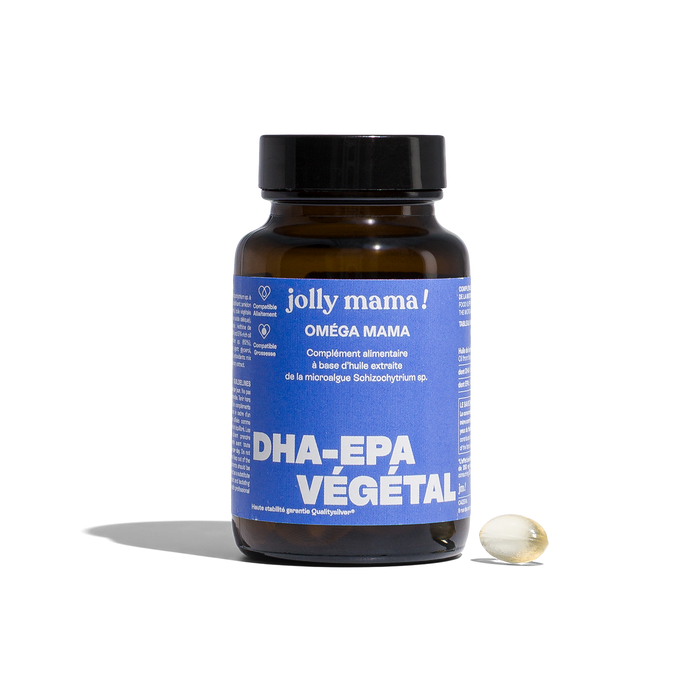
  • Our Oméga Mama supplement to boost your DHA and EPA intake and help limit inflammation
  • Mama-gnésium, with 100% magnesium bisglycinate, an essential nutrient for energy, hormonal and emotional balance 
  • From myo-inositol powder, an ally for cycle balance as well as blood sugar levels. 
  • Pink Balance, to support cycle balance and liver health. 
  • If you are hoping to become pregnant, a fertility food supplement can then help. 

The return of your menstrual cycle: patience and observation

One of the most reliable markers for tracking ovulation is the cervical mucus, which becomes more fluid and transparent during the fertile period. The basal body temperature rises slightly after ovulation, indicating progesterone production.

These natural signals, observed regularly, allow you to better understand the return of your cycle without excessive anxiety and to track your fertility.

When should you consult a healthcare professional?

It is advisable to consult a doctor if:

  • Periods have not returned after 3 months.
  • Significant pelvic pain is present.
  • You are noticing signs of hyperandrogenism.
  • You wish to conceive but no ovulation has been detected.
  • Persistent weight gain. 

Medical monitoring can help rule out a PCOS, hyperprolactinaemia or a thyroid disorder — common causes of post-pill amenorrhoea.

Conclusion: restoring balance after stopping the pill

Thestopping the pill marks the return to a natural hormonal cycle, with its adjustments. The symptoms of stopping the pill are often a sign that normal hormonal activity is resuming. By supporting the liver, the microbiome, and emotional balance, it is possible to navigate this period with ease and gently return to a stable cycle.

I

Our recommended product

Mama essentials

Mama essentials

Multivitamin supplement for women

£15.66

£17.40
For everyone

Helps reduce fatigue

Supports metabolism

Supporting skin and hair

For women looking to stock up on nutrients

100% vegan formula

Discover

Other recommended products

Myo-powder visual of the myo inositol powder product
-20%
Add

Myo-powder

Myo-inositol powder supplement

4g of myo-inositol

Ideal for trying for a baby and PCOS

Happy Cycle
Baby Project

from

£15.72

£21.75

Add
Omega Mama Omega Mama Jolly Mama – capsules DHA/EPA pures, parfaites pour post-partum
-20%
Best seller
Add

Omega Mama

Plant-based DHA and EPA supplement

250 mg of DHA per capsule

Exceptional stability: Totox index of 4, thanks to Qualitysilver® technology

For everyone

from

£15.31

£20.01

Add
Mama-gnésium gélules complément alimentaire magnésium
-15%
Best seller
Add

Mama-gnésium

Magnesium bisglycinate supplement

100% magnesium bisglycinate

The most bioavailable form

For everyone

from

£16.65

£21.75

Add
Mama essentials Mama essentials
-15%
New
Iodine-free

Mama essentials

Multivitamin supplement for women

15 highly bioavailable vitamins and minerals

100% vegan formula

For everyone

from

£13.32

£17.40

Add
Myo-powder visual of the myo inositol powder product
-20%

Myo-powder

Myo-inositol powder supplement

4g of myo-inositol

Ideal for trying for a baby and PCOS

Happy Cycle
Baby Project

from

£15.72

£21.75

Add
See the 4 recommended products

Recommended products

PAGE PRODUIT 15 fond 1
JD 202606 VIGNETTE ABO 15

JOLLY DAYS: Up to -50%

Bénéficiez de -15% supplémentaire sur votre premier mois en vous abonnant
Mama essentials
New
Iodine-free
Promo -10%

Mama essentials

Multivitamin supplement for women

For everyone

from

£15.66

£17.40

Myo-powder
Promo -14%

Myo-powder

Myo-inositol powder supplement

Happy Cycle
Baby Project

from

£18.49

£21.75

Omega Mama
Best seller
Promo -9%

Omega Mama

Plant-based DHA and EPA supplement

For everyone

from

£18.01

£20.01

Mama-gnésium
Best seller
Promo -9%

Mama-gnésium

Magnesium bisglycinate supplement

For everyone

from

£19.58

£21.75

Your questions, our answers.

Answer to the question.

Answer to the question.

Answer to the question.

Answer to the question.

Answer to the question.

added to cart
Continue shopping