


Smoked salmon during pregnancy: is it safe?
Why this product?

Baby Bump
Multivitamin DHA pregnancy & fertility
£40.02
14 essential nutrients + DHA + Choline
Replaces folic acid (methylated and patented vitamin B9 Quatrefolic®).
Contains choline, an essential nutrient
Contributes to the nutritional needs of pregnancy
The nutritional benefits of smoked salmon
Can you eat smoked salmon during pregnancy?
Practical tips for eating smoked salmon safely during pregnancy
Smoked salmon and breastfeeding
Conclusion

Baby Bump
Multivitamin DHA pregnancy & fertility
£40.02
14 essential nutrients + DHA + Choline
Replaces folic acid (methylated and patented vitamin B9 Quatrefolic®).
Contains choline, an essential nutrient
Contributes to the nutritional needs of pregnancy
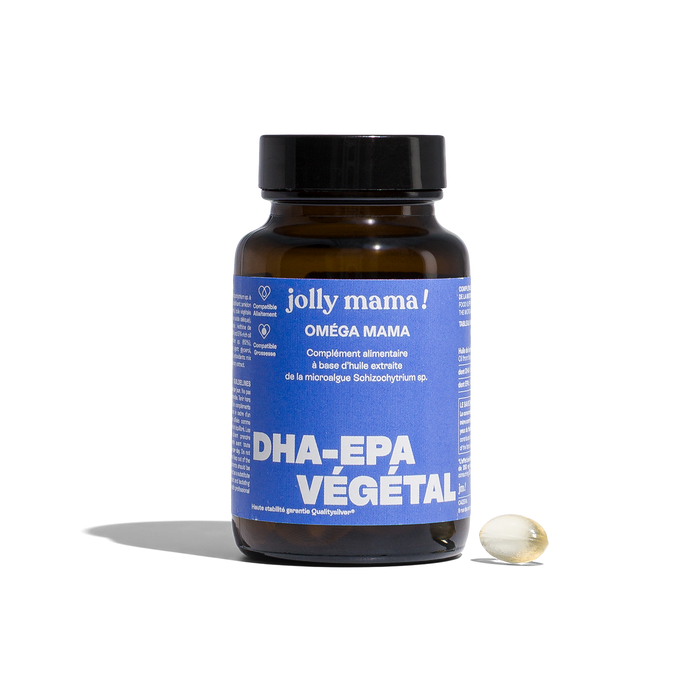

Omega Mama
Plant-based DHA and EPA supplement
250 mg of DHA per capsule
Exceptional stability: Totox index of 4, thanks to Qualitysilver® technology
from
£20.01
Purchase options


Crazy nut
Vegan spread rich in DHA
+50% hazelnuts and palm oil-free
200 mg of DHA per serving
from
£13.05
Purchase options


Mama-gnésium
Magnesium bisglycinate supplement
100% magnesium bisglycinate
The most bioavailable form
from
£21.75
Purchase options
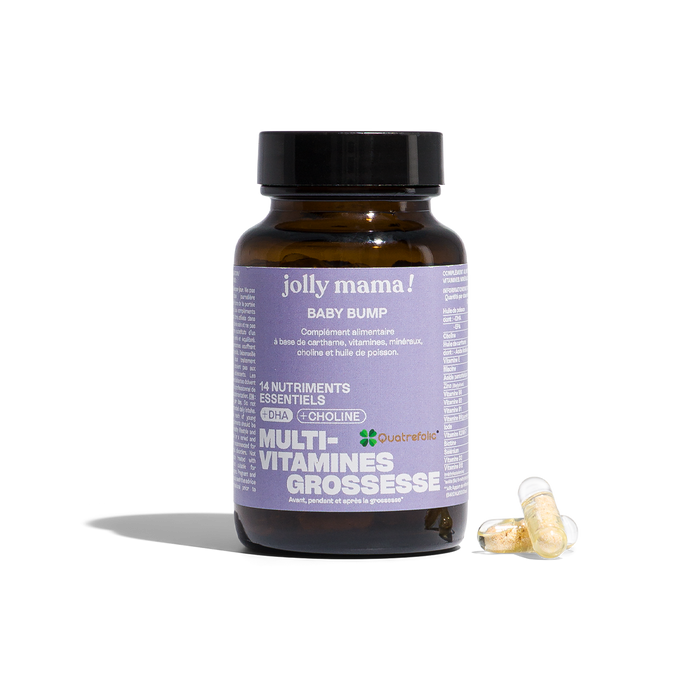

Baby Bump
Multivitamin DHA pregnancy & fertility
14 essential nutrients + DHA + Choline
Ultra-complete 3-in-1 formula with duocaps™ capsule
from
£40.02
Purchase options
Omega Mama
Plant-based DHA and EPA supplement
250 mg of DHA per capsule
Exceptional stability: Totox index of 4, thanks to Qualitysilver® technology
from
£20.01
Purchase options
Baby Bump
Multivitamin DHA pregnancy & fertility
from
£40.02

Omega Mama
Plant-based DHA and EPA supplement
from
£20.01

Crazy nut
Vegan spread rich in DHA
from
£13.05

Mama-gnésium
Magnesium bisglycinate supplement
from
£21.75


