


-
01When should you stop the pill?
-
02Why stop taking the pill?
-
03Return of ovulation after stopping the pill: normal timescales and common misconceptions
-
04The effects of hormonal withdrawal on the body
-
05Common symptoms after stopping the pill
-
06How to naturally support your balance after stopping the pill
-
07The return of your menstrual cycle: patience and observation
-
08When should you consult a healthcare professional?
-
09Conclusion: restoring balance after stopping the pill
When should you stop the pill?
Why this product?

Mama essentials
Multivitamin supplement for women
20€
Helps reduce fatigue
Supports metabolism
Supporting skin and hair
For women looking to stock up on nutrients
100% vegan formula
Why stop taking the pill?
Return of ovulation after stopping the pill: normal timescales and common misconceptions
The effects of hormonal withdrawal on the body
Common symptoms after stopping the pill
How to naturally support your balance after stopping the pill
The return of your menstrual cycle: patience and observation
When should you consult a healthcare professional?
Conclusion: restoring balance after stopping the pill

Mama essentials
Multivitamin supplement for women
20€
Helps reduce fatigue
Supports metabolism
Supporting skin and hair
For women looking to stock up on nutrients
100% vegan formula


Myo-powder
Myo-inositol powder supplement
4g of myo-inositol
Ideal for trying for a baby and PCOS
from
25€
Purchase options
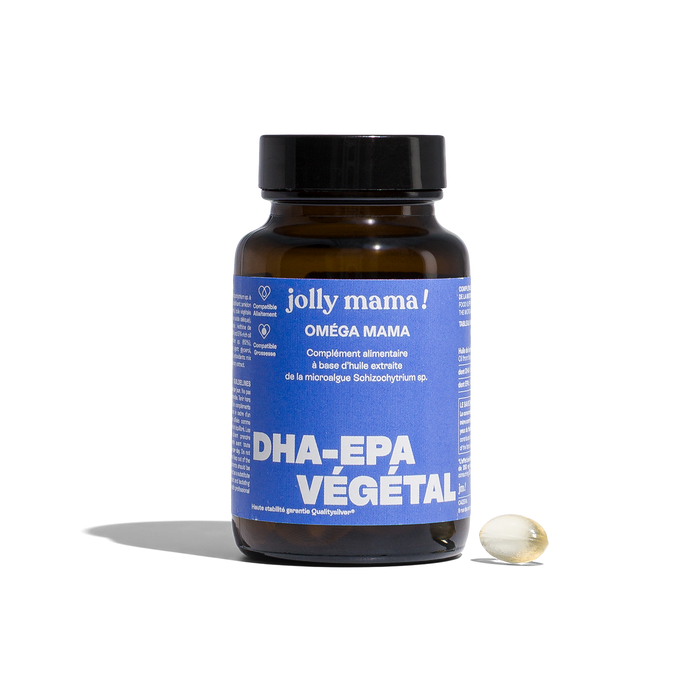

Omega Mama
Plant-based DHA and EPA supplement
250 mg of DHA per capsule
Exceptional stability: Totox index of 4, thanks to Qualitysilver® technology
from
23€
Purchase options


Mama-gnésium
Magnesium bisglycinate supplement
100% magnesium bisglycinate
The most bioavailable form
from
25€
Purchase options


Mama essentials
Multivitamin supplement for women
15 highly bioavailable vitamins and minerals
100% vegan formula
from
20€
Purchase options
Myo-powder
Myo-inositol powder supplement
4g of myo-inositol
Ideal for trying for a baby and PCOS
from
25€
Purchase options
Mama essentials
Multivitamin supplement for women
from
20€

Myo-powder
Myo-inositol powder supplement
from
25€

Omega Mama
Plant-based DHA and EPA supplement
from
23€

Mama-gnésium
Magnesium bisglycinate supplement
from
25€


