Skip to content
Personalised assessment
Les 34 signes possibles de la périménopause

The 34 possible signs of perimenopause

Contents
If you are discovering the full list of perimenopause symptoms for the first time, it may feel overwhelming. Do not be alarmed by the number of signs. Not all women experience them. Moreover, their intensity varies enormously from one person to another, and some women go through this period with very few disruptions. What is most important to remember is that perimenopause is a deeply individual experience. Far from being an inevitable ordeal, the range of possible symptoms is above all linked to the hormonal fluctuations specific to this transitional phase. Knowing these 34 signs means giving yourself the means to better understand what is happening in your body, to make sense of these sensations, and to choose solutions to support your body during this time.
Did you know?

Les hormones en périménopause ne baissent pas progressivement : elles fluctuent de façon imprévisible, en dents de scie. C'est précisément cette instabilité, et non pas la baisse elle-même, qui est responsable de la diversité et de l'intensité des symptômes.

What exactly is the perimenopause?

Perimenopause, also known as premenopause, is a natural transition period that precedes menopause. It corresponds to a phase of significant hormonal fluctuations, particularly in oestrogen and progesterone, which can last between 4 and 8 years[1], sometimes longer.

Perimenopause most often begins in the early forties, sometimes as early as the late thirties. It follows a well-defined continuum: perimenopause -> menopause -> post-menopause.

What characterises this transition is not a linear decline in hormones, but rather a series of unpredictable fluctuations: hormone levels rise, fall, and sometimes vary considerably from one cycle to the next. It is precisely this erratic nature that explains the diversity of symptoms, their appearance in waves, and their temporary disappearance.

These hormonal fluctuations are responsible for many symptoms, such as changes in cycle patterns, sleep disturbances, mood variations, and vasomotor symptoms (hot flushes, night sweats).

Why this product?

Specifically formulated for the perimenopause, Péri Support combines sage, shatavari, saffron, and milk thistle to address the most common symptoms: hot flushes, night sweats, fatigue, irritability, and cycle irregularities. Hormone-free, natural, and vegan, designed to help you move through this phase with greater comfort.

Our recommended product

Péri Support

Péri Support

Herbal supplement for perimenopause

£26.60

£29.55
(Peri)menopause

Reduces hot flushes and night sweats

Helps to relieve several symptoms (mood, fatigue, stress, digestion)

Helps to regulate the cycle

Hormone-free, suitable for those with a history of cancer

Formula for perimenopause, from age 35

Discover

The 34 possible signs of perimenopause

Physical symptoms

1. Hot flushes: one of the most commonly reported symptoms, taking the form of a sudden wave of heat that spreads across the face, neck and chest. It is sometimes accompanied by flushing and perspiration. Hot flushes can last from a few seconds to several minutes.

2. Night sweats: this is the nocturnal version of hot flushes. They disrupt sleep and can occur several times a night.

3. Irregular periods: the menstrual cycle changes rhythm and becomes less predictable. This is often one of the first signs that something is shifting.

4. Breast tenderness or pain: under the effect of hormonal fluctuations, the breasts can become more sensitive, swollen or painful, sometimes more so than before the start of a period.

5. Headaches or migraines: oestrogen fluctuations are known to influence the threshold at which migraines are triggered. Some women notice a change in their frequency or intensity during perimenopause.

6. Bloating: the digestive system is particularly sensitive to hormones. Abdominal bloating and other digestive discomforts may occur more regularly.

7. Weight gain: fat distribution changes under the influence of hormones and a slowing metabolism. The abdominal area is generally the most affected.

8. Muscle and joint pain: stiffness, unexplained aches and joints that crack: oestrogens have a significant influence on the regulation of inflammation. Their decline can be felt throughout the body.

9. Hair loss or thinning: hair density can decrease, with hair becoming more fragile. This is a sign that is often difficult to come to terms with for the women affected.

10. Hormonal acne: as surprising as it may seem, perimenopause can also cause acne, due to hormonal imbalances. This is most often localised on the chin and jaw.

11. Drier skin: oestrogens contribute to skin hydration. Their decline can manifest as duller, drier skin, sometimes accompanied by itching.

Emotional and cognitive symptoms

12. Mood swings: these symptoms take the form of rapid emotional changes, sometimes intense and difficult to link to a specific event. Hormones directly influence mood regulation.

13. Irritability: it resembles a form of inner tension, with a rapidly falling tolerance threshold. Many women affected describe this irritability as feeling completely unlike their usual character.

14. Anxiety: a diffuse anxiety, sometimes new, which can take various forms: worry, rumination or a feeling of being overwhelmed by events.

15. Low mood or depressive feelings: periods of sadness, inner emptiness or loss of enthusiasm can also make an appearance. While they should not be confused with depression, it is important to take them seriously if symptoms persist.

16. Brain fog / difficulty concentrating: the well-known "brain fog" gives the feeling of no longer being able to concentrate as before. It is a disconcerting symptom, but very common during this period.

17. Memory problems: forgetting words, names, what you were about to do… Closely related to brain fog, memory problems also originate in fluctuations in oestrogen, which plays a direct role in cognitive function.

18. Persistent fatigue: the a sleep debt that does not resolve despite rest. It is linked to both sleep disturbances, hormonal fluctuations and the effort the body makes to adapt.

19. Sleep disturbances / insomnia: difficulty falling asleep, frequent night-time waking and unrefreshing sleep. This is one of the symptoms with the greatest impact on quality of life for women in perimenopause.

20. Loss of motivation: the desire to socialise, to pursue projects or even to engage in previously enjoyable activities can diminish, for no apparent reason.

21. Panic attacks: in some women, perimenopause is accompanied by recurring panic attacks, sometimes for the first time in their lives.

Menstrual cycle changes

22. Heavier or lighter periods: the volume of bleeding can vary considerably from one cycle to the next; sometimes very heavy, sometimes almost absent.

23. Shorter or longer cycles: the interval between periods also tends to change. A cycle that had been reliably regular for years can suddenly become unpredictable.

24. Spotting between periods: intermenstrual bleeding may appear. Mention it to your doctor, especially if it is frequent or heavy.

25. Changes in PMS symptoms: premenstrual syndrome can change in nature: becoming more intense, lasting more days, or conversely easing.

Sexual and urinary symptoms

26. Reduced libido: sexual desire can decrease under the effect of hormonal fluctuations, but also due to fatigue, stress or a changing body image.

27. Vaginal dryness: the decline in oestrogen leads to changes in the vaginal mucosa. Women affected notice reduced lubrication, which may be accompanied by irritation.

28. Pain during intercourse: directly related to vaginal dryness, these pains, known as dyspareunia, can have an impact on intimate life.

29. More frequent urinary tract infections: the urinary mucosa is also influenced by oestrogen. Their weakening can make infections more likely.

30. Urinary urgency: the urge to urinate can become sudden, pressing and particularly difficult to hold back.

31. Urinary leakage: light urinary leakage during physical effort (coughing, laughing, exercise) may appear or intensify.

32. Weakening of the pelvic floor: during perimenopause, the pelvic floor can lose tone, contributing to the onset or worsening of sexual and urinary symptoms.

Less common signs

33. Tingling in the hands or feet: tingling, a pins-and-needles sensation in the extremities, sometimes uncomfortable or worrying. These sensations are linked to the effects of hormones on the nervous system.

34. Dizziness or vertigo: sensations of dizziness or light-headedness can also occur, often in connection with hot flushes or blood pressure changes.

The Jolly Tip

En périménopause, le sommeil est souvent la première victime des fluctuations hormonales. Protégez-le en priorité : chambre fraîche, coupure des écrans une heure avant le coucher et dîner léger sont vos meilleurs alliés. Des nuits préservées peuvent tout changer à votre énergie du lendemain.

Take Care Mama

La périménopause n'est pas une maladie à guérir. C'est une transition à traverser, avec bienveillance envers soi-même. Certains jours sont plus difficiles que d’autres, et c'est normal. Face aux symptômes, vous n'avez pas à tout gérer seule, ni à minimiser ce que vous ressentez.

Why do symptoms vary so much from one woman to another?

The variation in symptoms from one woman to another is one of the most frequently asked questions about this period. Why can two women of the same age experience perimenopause in such radically different ways?

The answer is simple: hormones during perimenopause do not follow a predictable schedule. Oestrogen and progesterone levels fluctuate erratically. It is this unpredictability that lies at the heart of the diversity of experiences[2].

Other factors also come into play:

  • Age and genetics: family history often provides indications of how a woman will experience her transition;
  • Stress levels: cortisol interacts with sex hormones;
  • Lifestyle: diet, physical activity, and sleep quality;
  • Overall health: certain conditions or treatments can influence symptoms;
  • Hormonal history: treatments, the pill, pregnancies, endometriosis…
Discover our products

What are the first changes to look out for?

Among the many signs associated with perimenopause, some tend to appear first:

  • Irregular menstrual cycles (shorter, longer, less predictable)[3];
  • Heavier periods or, conversely, lighter ones[4];
  • Early hot flushes, sometimes subtle at first[3];
  • Sleep disturbances or unexplained mood changes[4].

Perimenopause is a natural phase in a woman's life. The aim is therefore not to "treat" it as one would a medical condition, but to better manage the symptoms in order to maintain a good quality of life. Some useful lifestyle adjustmentsThis rebalancing can involve a number of simple adjustments, easily incorporated into daily life, including: A balanced diet to support energy, metabolism and mood (and in particular an adequate intake of calcium, vitamin D, fibre and protein); Regular physical activity, even moderate: walking, yoga or swimming have measurable effects on hot flushes and mood; Better sleep: managing light exposure, room temperature and evening routines; Stress management: breathing exercises to reduce cortisol. Nutritional supportCertain nutrients may help to address specific needs linked to perimenopause. Their effects vary depending on individual profiles, and it is advisable to rely on scientifically grounded approaches tailored to your personal situation. Péri Support: a supplement designed for perimenopauseBecause the body's needs change during perimenopause, Jolly Mama has formulated Péri Support, a plant-based food supplement designed specifically to support this transitional period, from the age of 35. Péri Support combines 4 complementary active ingredients selected for their traditional uses and recognised benefits: Sage contributes to menopausal comfort, helps to reduce night sweats and to moderate perspiration. Shatavari helps to regulate menstrual cycles, improves resilience to stress and helps to maintain energy levels. Saffron helps to promote relaxation, to maintain a positive outlook and to reduce irritability and nervous tension. Milk thistle contributes to liver support and detoxification. In practice, Péri Support may help to act on several of the most common symptoms of perimenopause: hot flushes, night sweats, fatigue, cycle imbalances, irritability and emotional discomfort. Results have been observed in certain studies from as early as 2 weeks of use. Hormone-free, gluten-free, 100% natural and vegan, this supplement manufactured in France is suitable for those with a history of breast cancer or thyroid disorders — an essential consideration for many women who are unable to turn to hormonal treatments.

How long do perimenopause symptoms last?

On average, perimenopause lasts between 4 and 8 years. However, symptoms are not constant. They can appear suddenly or gradually, ease off, and even resurface in different forms. Some symptoms gradually fade as menopause approaches and hormones settle at a new level.

In short, there is no single scenario, and that is precisely why it is helpful to learn about the full range of possible symptoms.

How can you better manage the perimenopause period?

Perimenopause is a natural phase in a woman's life. The aim is therefore not to "treat" it as one would a medical condition, but to better manage the symptoms in order to maintain a good quality of life.

A few helpful lifestyle adjustments

This rebalancing can involve a number of simple adjustments, easily integrated into daily life, including:

  • A balanced diet to support energy, metabolism and mood (including adequate intake of calcium, vitamin D, fibre and protein);
  • Regular physical activity, even moderate: walking, yoga or swimming have measurable effects on hot flushes and mood;
  • Better sleep: managing light exposure, room temperature and evening routines;
  • Stress management: breathing exercises to help reduce cortisol.

Nutritional support

Certain nutrients may help address specific needs associated with perimenopause. Their effects vary from person to person, and it is advisable to rely on scientifically grounded approaches tailored to your individual situation.

Péri Support: a supplement designed for perimenopause

Because the body's needs change during perimenopause, Jolly Mama has formulated Péri Support, a plant-based food supplement designed specifically to support this transitional period, from the age of 35.

Péri Support combines 4 complementary active ingredients selected for their traditional uses and recognised benefits:

  • Sage contributes to menopausal comfort, helps reduce night sweats and moderate perspiration.
  • Shatavari helps to regulate menstrual cycles, improves stress resilience and contributes to maintaining energy levels.
  • Saffron helps to promote relaxation, maintain a positive outlook and reduce irritability and nervous tension.
  • Milk thistle contributes to liver support and detoxification.

In practice, Péri Support may help act on several of the most common symptoms of perimenopause: hot flushes, night sweats, fatigue, cycle irregularities, irritability and emotional discomfort. Results have been observed in certain studies from as early as 2 weeks of use.

Hormone-free, gluten-free, 100% natural and vegan, this supplement made in France is suitable for women with a history of breast cancer or thyroid disorders — an essential consideration for those who cannot turn to hormonal treatments.

When should you consult a healthcare professional?

This list of potential symptoms should not prevent you from seeking advice if you notice something unusual. We recommend consulting a healthcare professional if you experience:

  • Very heavy or unusual bleeding
  • Significant or new pain
  • Persistent mood disturbances that affect daily life
  • Any symptom that significantly affects your quality of life

A doctor or gynaecologist can request a hormonal assessment, refer you to appropriate therapies, and help you distinguish what is related to perimenopause from other possible causes.

This list of potential symptoms should not stop you from seeking advice if you notice something unusual. We recommend consulting a healthcare professional if you experience: very heavy or unusual bleeding, significant or new pain, persistent mood disturbances that affect daily life, or any symptom that seriously impacts your quality of life. A doctor or gynaecologist can arrange a hormonal assessment, refer you to appropriate therapies, and help you distinguish what is related to perimenopause from other possible causes.

Key takeaways

As you will no doubt have understood, perimenopause does not follow a universal course. In other words, this list of 34 signs is not a list of symptoms you will necessarily face during this period. It is rather a representative overview of what millions of women have already experienced or are experiencing before the onset of menopause.

Learning more about these symptoms means:

  • Being able to put words to what is happening in your body;
  • Avoiding self-blame in the face of unexplained changes;
  • Communicate better with your doctor;
  • And above all, to remind you that you are not alone in this situation.

As you will no doubt have gathered, perimenopause does not follow a universal course. In other words, this list of 34 signs is not a list of symptoms you will necessarily experience during this period. It is rather a representative overview of what millions of women have already been through or are going through before the arrival of menopause.Knowing more about these symptoms means:Being able to put words to what is happening in your body;Avoiding self-blame in the face of unexplained changes;Communicating more effectively with your doctor;And above all, reminding yourself that you are not alone in this situation.

Our recommended product

Péri Support

Péri Support

Herbal supplement for perimenopause

£26.60

£29.55
(Peri)menopause

Reduces hot flushes and night sweats

Helps to relieve several symptoms (mood, fatigue, stress, digestion)

Helps to regulate the cycle

Hormone-free, suitable for those with a history of cancer

Formula for perimenopause, from age 35

Discover

Other recommended products

Péri Essentials photo of the perimenopause dietary supplement
-20%
New
Iodine-free
Add

Péri Essentials

Perimenopause vitamin supplement

Before, during and after the menopause

17 essential nutrients

(Peri)menopause

from

£19.95

£26.08

Add
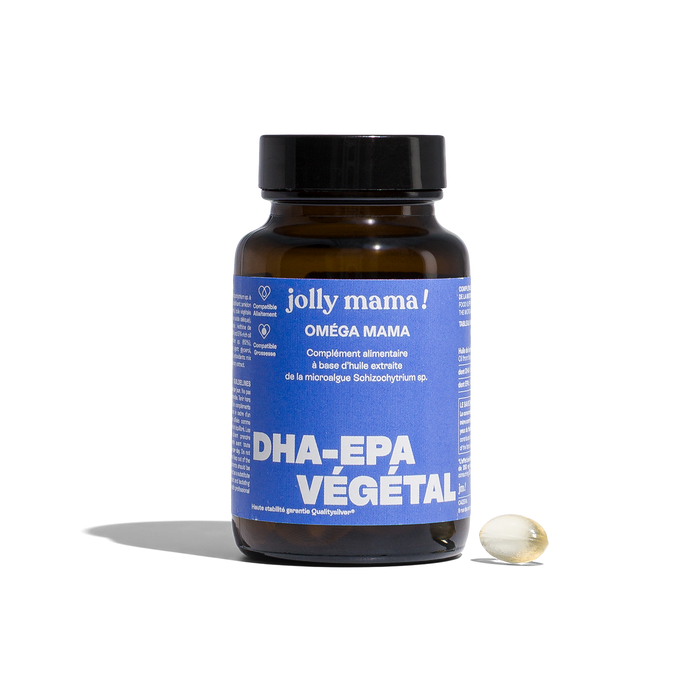
Omega Mama Omega Mama Jolly Mama – capsules DHA/EPA pures, parfaites pour post-partum
-15%
Best seller
Add

Omega Mama

Plant-based DHA and EPA supplement

250 mg of DHA per capsule

Exceptional stability: Totox index of 4, thanks to Qualitysilver® technology

For everyone

from

£15.30

£19.99

Add
Zinc Mama Zinc Mama
-20%
New
Add

Zinc Mama

Zinc food supplement

1 capsule covers 100% of daily requirements

For fertility, skin, hair and immunity

For everyone

from

£13.31

£17.38

Add
Péri Support Péri Support
-20%
New
Iodine-free

Péri Support

Herbal supplement for perimenopause

Formula for perimenopause, from age 35

Helps relieve several symptoms

(Peri)menopause

from

£22.61

£29.55

Add
Péri Essentials photo of the perimenopause dietary supplement
-20%
New
Iodine-free

Péri Essentials

Perimenopause vitamin supplement

Before, during and after the menopause

17 essential nutrients

(Peri)menopause

from

£19.95

£26.08

Add
See the 4 recommended products

Recommended products

PAGE PRODUIT 15 fond 1
JD 202606 VIGNETTE ABO 15

JOLLY DAYS: Up to -50%

Bénéficiez de -15% supplémentaire sur votre premier mois en vous abonnant
Péri Support
New
Iodine-free
Sale -9%

Péri Support

Herbal supplement for perimenopause

(Peri)menopause

from

£26.60

£29.55

Péri Essentials
New
Iodine-free
Sale -10%

Péri Essentials

Perimenopause vitamin supplement

(Peri)menopause

from

£23.47

£26.08

Omega Mama
Best seller
Sale -10%

Omega Mama

Plant-based DHA and EPA supplement

For everyone

from

£17.99

£19.99

Zinc Mama
New
Sale -9%

Zinc Mama

Zinc food supplement

For everyone

from

£15.65

£17.38

Your questions, our answers.

Answer to the question.

Answer to the question.

Answer to the question.

Answer to the question.

added to basket
Continue shopping