


Why the name "polycystic ovary syndrome" was problematic
Why this product?

Myo-powder
Myo-inositol powder supplement
25€
100% pure myo-inositol powder
Optimal dosage of 4 g per day
Neutral flavour, no added sugars
Compatible with IVF and PCOS
How did the new name SMOP come about?
What does the acronym SMOP stand for?
What does this mean for you in practice?
How will the SMOP be rolled out?
What this change does not resolve
In summary

Myo-powder
Myo-inositol powder supplement
25€
100% pure myo-inositol powder
Optimal dosage of 4 g per day
Neutral flavour, no added sugars
Compatible with IVF and PCOS
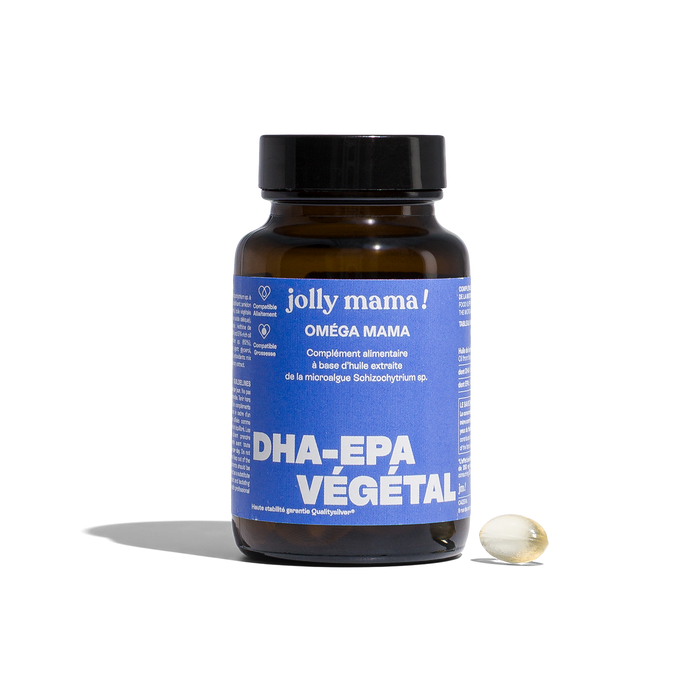

Omega Mama
Plant-based DHA and EPA supplement
250 mg of DHA per capsule
Exceptional stability: Totox index of 4, thanks to Qualitysilver® technology
from
23€
Purchase options


Zinc Mama
Zinc food supplement
1 capsule covers 100% of daily requirements
For fertility, skin, hair and immunity
from
20€
Purchase options


Mama essentials
Multivitamin supplement for women
15 highly bioavailable vitamins and minerals
100% vegan formula
from
20€
Purchase options


Myo-powder
Myo-inositol powder supplement
4g of myo-inositol
Ideal for trying for a baby and PCOS
from
25€
Purchase options
Omega Mama
Plant-based DHA and EPA supplement
250 mg of DHA per capsule
Exceptional stability: Totox index of 4, thanks to Qualitysilver® technology
from
23€
Purchase options
Myo-powder
Myo-inositol powder supplement
from
25€

Omega Mama
Plant-based DHA and EPA supplement
from
23€

Zinc Mama
Zinc food supplement
from
20€

Mama essentials
Multivitamin supplement for women
from
20€


