Skip to content
Personalised assessment
Sueurs nocturnes chez la femme : causes, signaux d'alerte et solutions pour mieux dormir

Night sweats in women: causes, warning signs and solutions for better sleep

Contents

Waking up in the middle of the night, drenched in sweat, heart racing… Night sweats are an experience many women know, but few truly understand the cause. This very common symptom, which has a real impact on sleep quality, deserves a closer look. How they work, what causes them, and what you can do about them — we explain everything!

Did you know?

According to the SWAN (Study of Women's Health Across the Nation)[8], one of the largest studies ever conducted on the menopausal transition, the median duration of hot flushes and night sweats is 7.4 years, and can exceed 11 years in women whose symptoms begin at the start of the perimenopause.

Night sweats: what exactly are we talking about?

To be clear, we are not talking about feeling hot because the bedroom is overheated or because you forgot to take off your winter duvet. Night sweats are something else entirely: episodes of heavy perspiration that occur during sleep, regardless of the ambient temperature, and which can wake you several times a night.

They can be mild, manifesting as a few drops on the forehead, or far more intense, to the point of needing to change clothes or bedding in the middle of the night. Some women experience them occasionally, others chronically, sometimes for several years.

What sets these sweats apart from ordinary perspiration is their intensity, their recurrence, and the fact that they occur without any obvious environmental trigger. They are often accompanied by a sudden sensation of heat — the well-known hot flush — sometimes followed by chills.

Péri Support
(Peri)menopause

Péri Support

Herbal supplement for perimenopause

34€

Reduces hot flushes and night sweats

Helps to relieve several symptoms (mood, fatigue, stress, digestion)

Helps to regulate the cycle

Hormone-free, suitable for those with a history of cancer

Formula for perimenopause, from age 35

Discover

The most common causes of night sweats in women

Perimenopause and menopause: the main cause

If you are between 35 and 55 years old and regularly wake up drenched in sweat, perimenopause is very likely the cause. Among all possible causes, it is the most common in women in this age group[1].

Why? During this period of hormonal transition, oestrogen levels begin to fluctuate, then gradually decline. Oestrogen plays a key role in regulating body temperature via the hypothalamus, the area of the brain that acts as a true thermostat. When hormones become dysregulated, this "thermostat" becomes hypersensitive. Even the slightest internal temperature variation can trigger an intense cooling response, which manifests as sweating[2].

These episodes can begin several years before menopause, sometimes as early as age 35, and intensify over time. According to several prevalence studies, between 70% and 90% of women experience at least one symptom during perimenopause, with hot flushes and night sweats among the most common[3].

Hormonal fluctuations of the menstrual cycle, period

Night sweats are not exclusive to women in perimenopause. Some younger women experience them at specific points in their cycle, particularly during the luteal phase, when progesterone levels drop. Most often temporary, this phenomenon is directly linked to premenstrual syndrome (PMS).

Pregnancy and the postpartum period

During pregnancy, significant hormonal changes and an increase in metabolism can also cause night sweats. In the postpartum period, the sudden drop in hormones after childbirth can trigger similar episodes, sometimes intense, which generally subside after a few weeks.

Stress, anxiety and sleep disturbances

The autonomic nervous system, which regulates sweating among other things, is directly influenced by stress and anxiety. In a state of hypervigilance, the body can activate maladaptive thermoregulation mechanisms, including during the night. Sleep disturbances worsen stress, which can create a vicious cycle that is difficult to break.

Certain medications

Several medications can induce night sweats as a side effect. This is particularly the case with certain antidepressants (especially serotonin reuptake inhibitors), corticosteroids, some diabetes medications, and hormonal treatments. If you have recently started a treatment and night sweats appeared shortly afterwards, speak to your doctor.

The Jolly tip

Before going to bed, prepare your "night sweat kit": a cool water mist spray, a clean cloth within reach, and a glass of water on your bedside table. If you wake up in the middle of the night, this little ritual lets you cool down quickly without having to get up, and helps you drift back to sleep more easily.

Take care mama

Please know that it's completely normal for this symptom to feel like a burden. Night sweats disrupt sleep, mood and everyday energy levels, and are not simply a matter of excessive perspiration. If they are affecting your quality of life, don't hesitate to speak to a doctor!

What illness can cause night sweats?

In the vast majority of cases, night sweats in women are linked to benign hormonal causes. However, there are situations where they may signal an underlying health problem that warrants medical attention.

Among the possible pathological causes, the following are noted:

  • Thyroid disorders: hyperthyroidism (an overactive thyroid) can cause excessive heat sensations, palpitations, and heavy sweating, including at night. A simple blood test can detect it.
  • Infections: certain chronic or severe infections can cause night sweats, notably tuberculosis, and certain persistent bacterial or viral infections. In such cases, the sweats are generally accompanied by other signs such as fever, marked fatigue, or weight loss.
  • Nocturnal hypoglycaemia: in people with diabetes or on certain treatments, a drop in blood sugar during the night can trigger heavy sweating. This is a warning sign to be taken seriously.
  • Certain cancers: Lymphomas can be associated with significant night sweats, accompanied by fever and unexplained weight loss. This trio of symptoms should prompt a prompt medical consultation.

When should you see a doctor? If your night sweats are very heavy, come on suddenly, and are accompanied by fever, unexplained weight loss, pain, or other unusual symptoms, see a doctor without delay. In all other cases, a routine check-up can rule out any serious causes.

Discover our products

Night sweats and menopause: understanding the mechanism

To better address night sweats, it helps to understand what is really happening in your body.

The hypothalamus regulates body temperature within a very precise range. Oestrogens contribute to stabilising this system. When their levels drop or fluctuate erratically, as is the case in perimenopause, the hypothalamus's "thermal tolerance zone" narrows considerably. The body then reacts disproportionately to temperature variations that would not have affected it before[4].

The result: a slight excess of internal heat can trigger a chain reaction, including dilation of the blood vessels, flushing, intense sensations of heat, followed by heavy sweating in an attempt to cool the body down. Once the heat has dissipated, chills may set in. This sequence can unfold within a matter of minutes, sometimes several times a night.

The impact on quality of life is very real. Nights broken up by these episodes lead to chronic fatigue, difficulty concentrating, mood changes, and even anxiety. This is a symptom that deserves to be taken seriously!

How to relieve night sweats naturally?

Good news: several lifestyle adjustments can help you make a real difference, often within the first few weeks.

  • Sleep environment: keep your bedroom cool, ideally between 16 and 18°C. Opt for sheets made from natural fabrics (cotton, linen) that breathe better than synthetic fibres.
  • Diet: certain foods and drinks are known to trigger or worsen hot flushes and night sweats, including caffeine, alcohol, very spicy dishes and ultra-processed foods. Reducing them, especially in the evening, can make a noticeable difference. Conversely, foods rich in phyto-oestrogens, such as soy, flaxseeds and legumes, may naturally support hormonal balance[5].
  • Stress management: meditation, cardiac coherence breathing, gentle yoga, deep breathing… Relaxation techniques act directly on the autonomic nervous system and can reduce the frequency and intensity of episodes. Even five minutes of slow breathing before bed can transform the quality of a night's sleep.
  • Physical activity: Regular activity, even gentle, such as walking or swimming, helps regulate hormones, improve sleep quality and reduce vasomotor symptoms over the long term. The effect is not immediate, but it is well documented.
  • Avoiding thermal triggers: a very hot shower before bed, a scalding bath, late hot meals… anything that raises your body temperature in the evening can encourage night-time episodes. Opt for a lukewarm shower in the evening instead.

Péri Support by Jolly Mama: a plant-based formula designed for perimenopause

When everyday adjustments are not enough, it may be worth turning to natural solutions to support your comfort. It is with this in mind that Jolly Mama has formulated Péri Support, a food supplement specifically designed to support women during perimenopause.

Its strength lies in a plant-based formula combining four complementary active ingredients, selected for their traditional uses and recognised benefits:

  • Common sage is undoubtedly the most well-documented plant for menopausal comfort. It is listed in the European Pharmacopoeia and several clinical studies confirm its efficacy in reducing hot flushes and night sweats. Sage contributes to menopausal comfort, helps reduce night sweats and contributes to moderate perspiration[6].
  • Shatavari (Asparagus racemosus), rooted in Ayurvedic tradition, is studied for its role in female hormonal balance and stress management. It helps regulate menstrual cycles, improves the body's resilience to stress and contributes to maintaining energy levels.
  • Saffron (Crocus sativus), in its patented form Safr'inside™, is studied for its effects on stress response and emotional balance. Several clinical trials conducted on saffron in general, including in menopausal women, suggest that it may promote relaxation, support a positive mood and reduce nervous tension and irritability — symptoms that often accompany disrupted nights[7].
  • Milk thistle, finally, contributes to the liver's detoxifying potential, an organ involved in hormonal metabolism and often called upon during hormonal transitions.

The Péri Support supplement is hormone-free, suitable for those with a history of breast cancer and thyroid disorders, and can be used from the age of 35, from the first signs of perimenopause. It is taken at a rate of two capsules per day, and can be combined with other products from the Jolly Mama range (Péri Essentials, Mama-gnésium, Oméga Mama).

Please note: use by people taking antidepressants is not recommended. If in doubt, consult your doctor before starting supplementation.

Péri Support
(Peri)menopause

Péri Support

Herbal supplement for perimenopause

34€

Reduces hot flushes and night sweats

Helps to relieve several symptoms (mood, fatigue, stress, digestion)

Helps to regulate the cycle

Hormone-free, suitable for those with a history of cancer

Formula for perimenopause, from age 35

Discover

Other recommended products

Péri Essentials photo of the perimenopause dietary supplement
-10%
New
Iodine-free
Add

Péri Essentials

Perimenopause vitamin supplement

Before, during and after the menopause

17 essential nutrients

(Peri)menopause

from

25,50€

30€

Add
Mama-gnésium gélules complément alimentaire magnésium
-10%
Best seller
Add

Mama-gnésium

Magnesium bisglycinate supplement

100% magnesium bisglycinate

The most bioavailable form

For everyone

from

21,25€

25€

Add
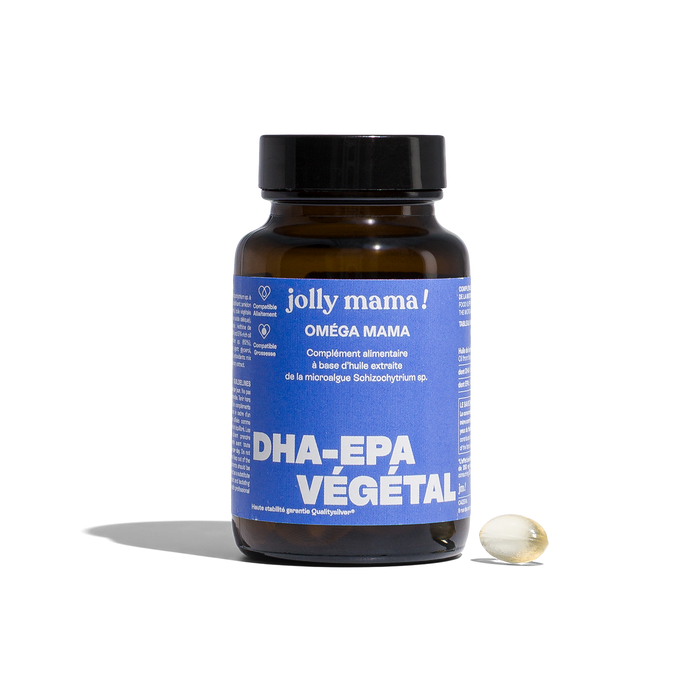
Omega Mama Omega Mama Jolly Mama – capsules DHA/EPA pures, parfaites pour post-partum
-10%
Best seller
Add

Omega Mama

Plant-based DHA and EPA supplement

250 mg of DHA per capsule

Exceptional stability: Totox index of 4, thanks to Qualitysilver® technology

For everyone

from

19,55€

23€

Add
Péri Support Péri Support
-10%
New
Iodine-free

Péri Support

Herbal supplement for perimenopause

Formula for perimenopause, from age 35

Helps relieve several symptoms

(Peri)menopause

from

28,90€

34€

Add
Péri Essentials photo of the perimenopause dietary supplement
-10%
New
Iodine-free

Péri Essentials

Perimenopause vitamin supplement

Before, during and after the menopause

17 essential nutrients

(Peri)menopause

from

25,50€

30€

Add
See the 4 recommended products

Recommended products

PAGE PRODUIT 15 fond 1
JM OP20 pastille 20 2

-20% sitewide with BACK20

from €100
Péri Support
New
Iodine-free

Péri Support

Herbal supplement for perimenopause

(Peri)menopause

from

28,90€

34€

Péri Essentials
New
Iodine-free

Péri Essentials

Perimenopause vitamin supplement

(Peri)menopause

from

25,50€

30€

Mama-gnésium
Best seller

Mama-gnésium

Magnesium bisglycinate supplement

For everyone

from

21,25€

25€

Omega Mama
Best seller

Omega Mama

Plant-based DHA and EPA supplement

For everyone

from

19,55€

23€

Your questions, our answers.

Answer to the question.

Answer to the question.

Answer to the question.

Answer to the question.

added to cart
Continue shopping