


-
01The distinction between baby blues and post-partum depression
-
02How to recognise postnatal depression?
-
03Risk factors and causes of postnatal depression
-
04The consequences of postpartum depression
-
05Support and possible treatments for postnatal depression
-
06Conclusion on postnatal depression
The distinction between baby blues and post-partum depression
Why this product?

Post Essentials
Post-partum multivitamin supplement
33€
17 vitamins and minerals
Including: vitamin C, choline, B vitamins, D, zinc, iodine
B vitamins contribute to the reduction of tiredness and fatigue
Extramel®, a patented antioxidant ingredient
How to recognise postnatal depression?
Risk factors and causes of postnatal depression
The consequences of postpartum depression

Support and possible treatments for postnatal depression
Conclusion on postnatal depression

Post Essentials
Post-partum multivitamin supplement
33€
17 vitamins and minerals
Including: vitamin C, choline, B vitamins, D, zinc, iodine
B vitamins contribute to the reduction of tiredness and fatigue
Extramel®, a patented antioxidant ingredient
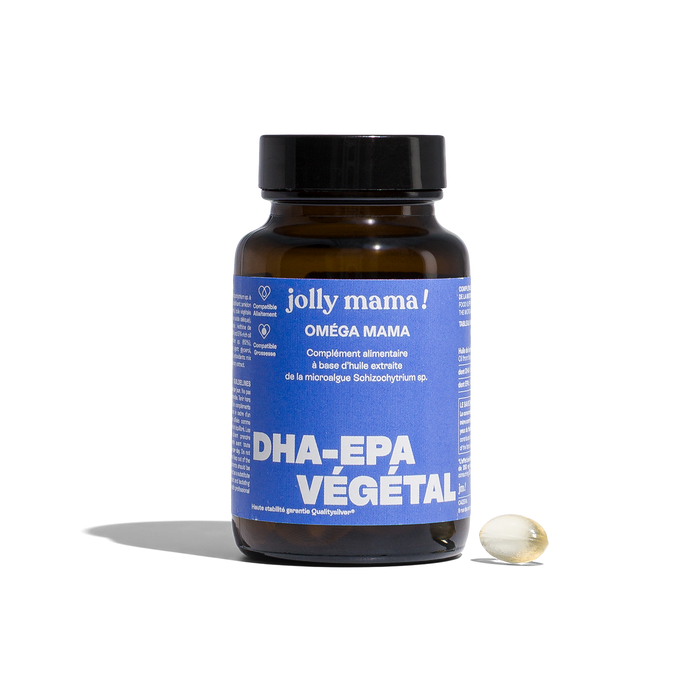

Omega Mama
Plant-based DHA and EPA supplement
250 mg of DHA per capsule
Exceptional stability: Totox index of 4, thanks to Qualitysilver® technology
from
23€
Purchase options


Post Essentials
Post-partum multivitamin supplement
17 nutrients in their best forms
Covers post-birth nutritional needs and reduces fatigue
from
33€
Purchase options
Omega Mama
Plant-based DHA and EPA supplement
250 mg of DHA per capsule
Exceptional stability: Totox index of 4, thanks to Qualitysilver® technology
from
23€
Purchase options


