


The importance of the omega-3/omega-6 ratio
Why this product?

Baby Bump
Multivitamin DHA pregnancy & fertility
46€
14 essential nutrients + DHA + Choline
Replaces folic acid (methylated and patented vitamin B9 Quatrefolic®).
Contains choline, an essential nutrient
Contributes to the nutritional needs of pregnancy
Blood sugar balance to be monitored throughout pregnancy
The importance of a well-balanced microbiome
Choline


Baby Bump
Multivitamin DHA pregnancy & fertility
46€
14 essential nutrients + DHA + Choline
Replaces folic acid (methylated and patented vitamin B9 Quatrefolic®).
Contains choline, an essential nutrient
Contributes to the nutritional needs of pregnancy
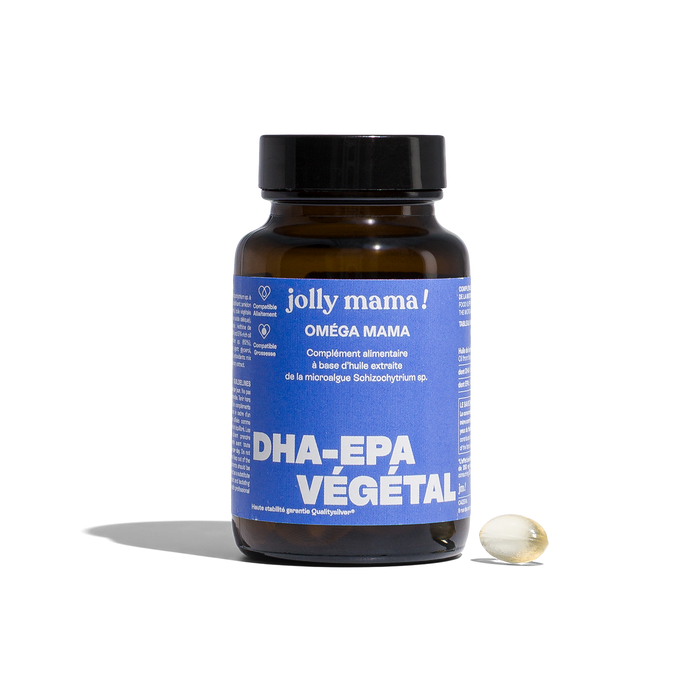


Omega Mama
Plant-based DHA and EPA supplement
250 mg of DHA per capsule
Exceptional stability: Totox index of 4, thanks to Qualitysilver® technology
from
23€
Purchase options


Choline Mama
Choline supplement for pregnancy
Patented choline bitartrate Vitacholine®
The best-absorbed form
from
22€
Purchase options


Crazy nut
Vegan spread rich in DHA
+50% hazelnuts and palm oil-free
200 mg of DHA per serving
from
15€
Purchase options


Iron Mama
Iron bisglycinate-rich supplement
Highly bioavailable iron bisglycinate
Ferrochel™ without the side effects of iron supplements
from
20€
Purchase options


Purple power
Blueberry-flavour plant protein powder
5g of protein per serving (30 servings)
Formula with no added sugars, no additives, sweeteners or preservatives
from
39€
Purchase options
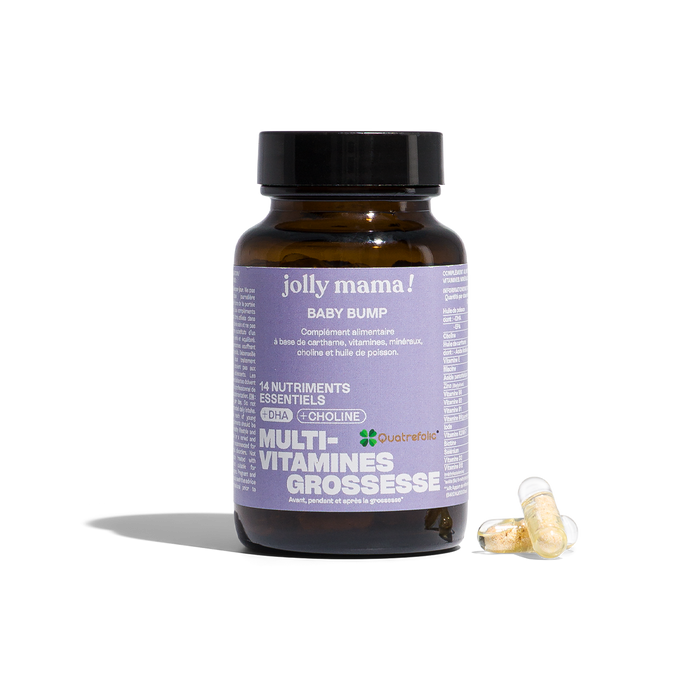

Baby Bump
Multivitamin DHA pregnancy & fertility
14 essential nutrients + DHA + Choline
Ultra-complete 3-in-1 formula with duocaps™ capsule
from
46€
Purchase options
Omega Mama
Plant-based DHA and EPA supplement
250 mg of DHA per capsule
Exceptional stability: Totox index of 4, thanks to Qualitysilver® technology
from
23€
Purchase options


-20% sitewide with BACK20
Baby Bump
Multivitamin DHA pregnancy & fertility
from
46€

Omega Mama
Plant-based DHA and EPA supplement
from
23€

Choline Mama
Choline supplement for pregnancy
from
22€

Crazy nut
Vegan spread rich in DHA
from
15€

Iron Mama
Iron bisglycinate-rich supplement
from
20€

Purple power
Blueberry-flavour plant protein powder
from
39€


