


What are the nutritional needs of breastfeeding mothers?
Why this product?

Post Essentials
Post-partum multivitamin supplement
33€
17 vitamins and minerals
Including: vitamin C, choline, B vitamins, D, zinc, iodine
B vitamins contribute to the reduction of tiredness and fatigue
Extramel®, a patented antioxidant ingredient
Which compounds remain stable regardless of dietary intake?
Which compounds vary depending on maternal intake?
What about pollutants in breast milk?

Conclusion

Post Essentials
Post-partum multivitamin supplement
33€
17 vitamins and minerals
Including: vitamin C, choline, B vitamins, D, zinc, iodine
B vitamins contribute to the reduction of tiredness and fatigue
Extramel®, a patented antioxidant ingredient


Iron Mama
Iron bisglycinate-rich supplement
Highly bioavailable iron bisglycinate
Ferrochel™ without the side effects of iron supplements
from
20€
Purchase options


Sunny Mummy
Vitamin D3 and K2 supplement for mothers
Active ingredients in their most bioavailable forms (D3 and K2 MK7)
3-month course
from
20€
Purchase options


Sunny Baby
Vitamin D3 supplement for babies
Vitamin D3 optimal absorption
Dose recommended by the French Society of Paediatrics
from
12€
Purchase options
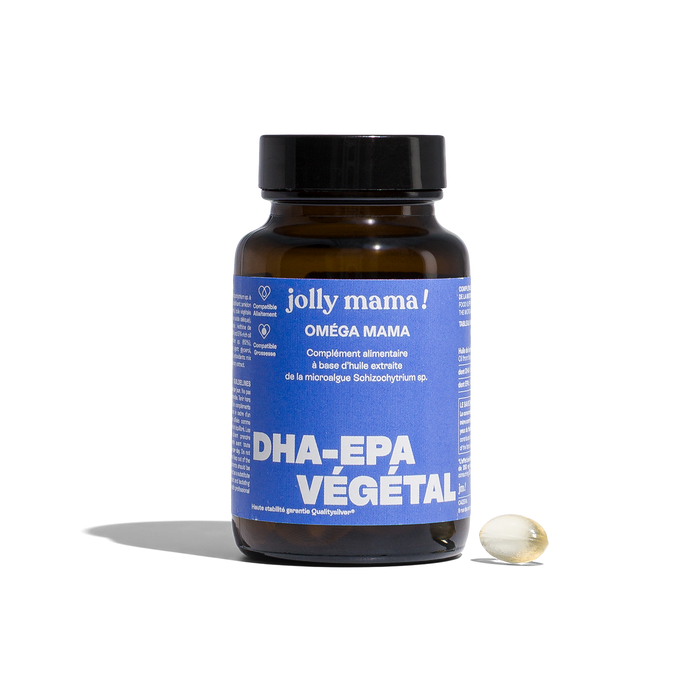

Omega Mama
Plant-based DHA and EPA supplement
250 mg of DHA per capsule
Exceptional stability: Totox index of 4, thanks to Qualitysilver® technology
from
23€
Purchase options


Post Essentials
Post-partum multivitamin supplement
17 nutrients in their best forms
Covers post-birth nutritional needs and reduces fatigue
from
33€
Purchase options
Iron Mama
Iron bisglycinate-rich supplement
Highly bioavailable iron bisglycinate
Ferrochel™ without the side effects of iron supplements
from
20€
Purchase options
Post Essentials
Post-partum multivitamin supplement
from
33€

Iron Mama
Iron bisglycinate-rich supplement
from
20€

Sunny Mummy
Vitamin D3 and K2 supplement for mothers
from
20€

Sunny Baby
Vitamin D3 supplement for babies
from
12€

Omega Mama
Plant-based DHA and EPA supplement
from
23€


