Skip to content
Personalised assessment
Symptômes préménopause : reconnaître les signes qui ne trompent pas.

Perimenopause symptoms: recognising the signs that speak for themselves.

Contents
Perimenopause is a natural hormonal transition phase that precedes the menopause. For many women, this period is accompanied by irregular menstrual cycles, variable hormonal symptoms and a gradual decline in hormone production. Ovulation becomes more irregular, which can lead to disruptions in cycle length, the appearance of new symptoms and uncertainty: "Is this simply a temporary irregularity or the beginning of perimenopause?" Understanding what is happening helps to distinguish a simple cycle irregularity from a true start of the transition towards menopause, to recognise the most common hormonal signals and to know when to seek advice.
Did you know?

Perimenopause can begin up to 10 years before menopause, as early as 35 for some women.

Understanding perimenopause

Perimenopause (also referred to as premenopause) is the hormonal transition period before the menopause, during which the production of oestrogen and progesterone begins to fluctuate and then decline. (1) These variations influence the menstrual cycle, ovulation, sleep, mood, and physical comfort.

These words are often used premenopause, perimenopause and menopause as if they meant the same thing, but they refer to three different stages in a woman's hormonal life.
Premenopause corresponds to the period when a woman still has regular cycles and normal fertility, before any clear changes related to menopause.

Perimenopause is the transition phase: cycles become irregular, hormonal symptoms appear (hot flushes, sleep disturbances, mood changes, etc.), but periods are still present.

The menopause marks the permanent cessation of periods for 12 consecutive months, with low and stable hormonal production (2). 

This phase can begin as early as 35 or 40 years of age in some women, sometimes later. It lasts several years (on average 4 years, often between 2 and 10 years) before the complete cessation of periods and the onset of menopause (defined as 12 consecutive months without periods). During this time, the body does not function in a linear way: cycles become irregular (shorter, longer, sometimes absent for several months), hormonal symptoms appear gradually, and some women notice marked changes in their energy, mood, or sleep (3).

When this transition begins before the age of 40, it is referred to as early premenopause. It remains uncommon but can occur, particularly in cases of family predisposition.

To confirm that this is indeed a hormonal transition, a doctor can measure two hormones: FSH and AMH.

  • FSH (Follicle-stimulating hormone): it is a hormone produced by the pituitary gland, located in the brain. Its role is to stimulate the ovaries to mature a follicle in preparation for ovulation. When the ovaries respond less effectively, the brain increases FSH levels to stimulate them. This is why higher FSH levels are observed during perimenopause and menopause.
  • AMH (Anti‑Müllerian hormone): it is produced directly by the follicles and therefore reflects the residual follicular reserve. A low AMH indicates a likely end to fertility.
    These tests are not routine, but they help to distinguish between a simple cycle irregularity and the beginning of perimenopause or early menopause, particularly in cases of unintended pregnancy, a desire to conceive, or very pronounced symptoms.

Why this product?

The supplement specially formulated for the perimenopause, with plants that help support the body during this transition. 

Our recommended product

Péri Support

Péri Support

Herbal supplement for perimenopause

30,60€

34€
(Peri)menopause

Reduces hot flushes and night sweats

Helps to relieve several symptoms (mood, fatigue, stress, digestion)

Helps to regulate the cycle

Hormone-free, suitable for those with a history of cancer

Formula for perimenopause, from age 35

Discover

Irregular menstrual cycle: a common sign

One of the first signs of perimenopause is often an irregular menstrual cycle. The cycle may become shorter, longer, more unpredictable or more variable from one month to the next. Ovulation may occur irregularly, which alters hormone production and makes periods less predictable (4).

The most common changes are:

  • more frequent periods, for example every 21 to 24 days.
  • or longer cycles, sometimes beyond 35 days.
  • heavier or, conversely, lighter menstrual flow.
  • months without menstruation, followed by a sudden return of periods.

These variations in the menstrual cycle are often linked to the hormonal fluctuations of perimenopause. They can last several years before the final menopause. In some women, these symptoms are subtle. In others, they are more noticeable and more disruptive in everyday life.

Take care mama

It is possible to support hormonal balance during the perimenopause phase, which will also help to limit the associated symptoms.

Most common hormonal symptoms

Perimenopause does not manifest solely through cycle irregularities. It can also cause a number of hormonal symptoms affecting sleep, mood, the body, and a woman's intimate life.

The most common symptoms are (5):

  • hot flushes.
  • night sweats.
  • sleep disturbances or insomnia.
  • irritability, anxiety, or mood swings.
  • persistent fatigue.
  • a decreased libido.
  • mental fog or difficulty concentrating.
  • mild incontinence or urinary leakage
  • vaginal dryness.
  • joint pain.
  • weight gain, often around the abdomen.

These symptoms are linked to hormonal fluctuations, in particular the gradual decline in progesterone and the variations in oestrogen levels. This irregular hormone production can influence the brain, metabolism, sleep quality, skin and emotional balance.

Discover our products

When your cycle warrants a consultation

Not all irregular menstrual cycles are solely related to perimenopause. Certain signs should prompt a consultation with a healthcare professional, as they may indicate another medical cause.

You should seek medical advice if you experience:

  • extremely heavy periods.
  • bleeding between periods.
  • bleeding after sexual intercourse.
  • unusual pelvic pain.
  • bleeding after 12 months without a period.

These symptoms may be linked to fibroids, polyps, thyroid disorders or other hormonal imbalances. A medical assessment can help determine whether the changes in your menstrual cycle are related to perimenopause or to another cause.

Living well through the perimenopause

Managing symptoms effectively on a day-to-day basis relies on a few simple habits. Perimenopause is not an illness, but a phase of hormonal fluctuation. It often requires adapting one's lifestyle to help reduce symptoms and better support the body during this period (6).

Here are a few helpful lifestyle habits:

  • keeping your sleep as regular as possible.
  • engaging in gentle physical activity such as walking, yoga or swimming.
  • limiting coffee and alcohol, which can worsen hot flushes and night sweats.
  • favouring a diet rich in vegetables, proteins, fibre and omega-3.
  • reducing stress through breathing exercises, meditation or calming routines.

In some women, taking food supplements around the menopause can also provide support, particularly when they contain magnesium, B vitamins or certain plants. They do not, however, replace advice from a healthcare professional or appropriate monitoring if symptoms become significant.

Péri Essentials by Jolly Mama, a multivitamin specially formulated for perimenopause that combines:

  • vitamins B6, B9 and B12 which contribute to normal energy metabolism and the reduction of tiredness
  • vitamin D3 + K2 which contribute to the maintenance of normal bones
  • vitamins C and E, zinc and selenium which contribute to protecting cells from oxidative stress,
  • patented Bacopa extract to support concentration and memory and help reduce "brain fog".

And to support your hormonal balance, Péri support by Jolly Mama combines plants, including shatavari, which helps to support hormonal balance. 

Medical monitoring

If hormonal symptoms become bothersome or the menstrual cycle changes significantly, your doctor may suggest a medical assessment. This follow-up may include an evaluation of symptoms, a hormonal assessment or other tests depending on the situation.

A healthcare professional may in particular suggest:

  • a hormonal assessment to evaluate the situation.
  • a discussion on contraception, as ovulation may continue.
  • hormone replacement therapy (HRT) if the situation warrants it.
  • additional tests in the event of unusual bleeding.

The aim is not only to confirm perimenopause, but also to rule out other causes and help the woman navigate this period with greater comfort.

Emotional and physical impact

Perimenopause often has an impact that goes beyond physical symptoms. This phase of hormonal change can also have a significant emotional effect. Some women experience greater mental fatigue, heightened sensitivity, a loss of confidence, or a sense of no longer recognising their usual rhythm.

It is important to acknowledge that these changes are common and do not reflect any weakness. Hormone production becomes irregular, which can affect mood, concentration and energy levels. Listening to your own needs, slowing down when necessary and adapting your daily routine can make a real difference.

In summary

Irregular menstrual cycles can be a sign of perimenopause, but they are not sufficient on their own to make a diagnosis. It is the combination of hormonal symptoms, age, hormone production, cycle regularity, and changes in ovulatory phases that helps to better understand this transition towards menopause.

Understanding these signals better helps every woman navigate this period with greater peace of mind, by identifying what represents a normal change in the cycle and what requires medical attention.

Our recommended product

Péri Support

Péri Support

Herbal supplement for perimenopause

30,60€

34€
(Peri)menopause

Reduces hot flushes and night sweats

Helps to relieve several symptoms (mood, fatigue, stress, digestion)

Helps to regulate the cycle

Hormone-free, suitable for those with a history of cancer

Formula for perimenopause, from age 35

Discover

Other recommended products

Péri Essentials photo of the perimenopause dietary supplement
-20%
New
Iodine-free
Add

Péri Essentials

Perimenopause vitamin supplement

Before, during and after the menopause

17 essential nutrients

(Peri)menopause

from

22,95€

30€

Add
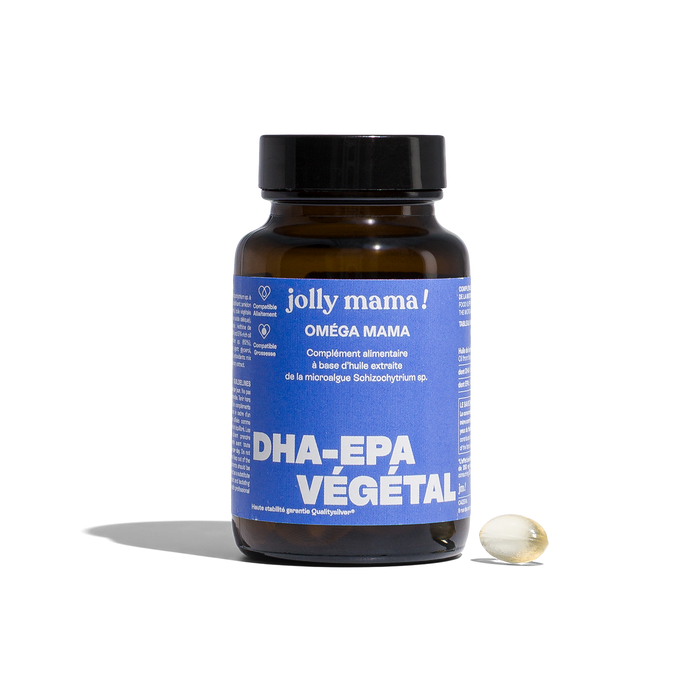
Omega Mama Omega Mama Jolly Mama – capsules DHA/EPA pures, parfaites pour post-partum
-20%
Best seller
Add

Omega Mama

Plant-based DHA and EPA supplement

250 mg of DHA per capsule

Exceptional stability: Totox index of 4, thanks to Qualitysilver® technology

For everyone

from

17,60€

23€

Add
Zinc Mama Zinc Mama
-20%
New
Add

Zinc Mama

Zinc food supplement

1 capsule covers 100% of daily requirements

For fertility, skin, hair and immunity

For everyone

from

15,30€

20€

Add
Péri Support Péri Support
-20%
New
Iodine-free

Péri Support

Herbal supplement for perimenopause

Formula for perimenopause, from age 35

Helps relieve several symptoms

(Peri)menopause

from

26,01€

34€

Add
Péri Essentials photo of the perimenopause dietary supplement
-20%
New
Iodine-free

Péri Essentials

Perimenopause vitamin supplement

Before, during and after the menopause

17 essential nutrients

(Peri)menopause

from

22,95€

30€

Add
See the 4 recommended products

Recommended products

PAGE PRODUIT 15 fond 1
JD 202606 VIGNETTE ABO 15

JOLLY DAYS: Up to -50%

Bénéficiez de -15% supplémentaire sur votre premier mois en vous abonnant
Péri Support
New
Iodine-free
Promo -10%

Péri Support

Herbal supplement for perimenopause

(Peri)menopause

from

30,60€

34€

Péri Essentials
New
Iodine-free
Promo -10%

Péri Essentials

Perimenopause vitamin supplement

(Peri)menopause

from

27€

30€

Omega Mama
Best seller
Promo -10%

Omega Mama

Plant-based DHA and EPA supplement

For everyone

from

20,70€

23€

Zinc Mama
New
Promo -10%

Zinc Mama

Zinc food supplement

For everyone

from

18€

20€

Your questions, our answers.

Answer to the question.

Answer to the question.

Answer to the question.

Answer to the question.

added to cart
Continue shopping