


Pourquoi s'abonner ?
-15% auf alle Ihre Einkäufe, bei jeder Bestellung
Stellen Sie sich Ihre günstige Routine zusammen
Ihr Abonnement passt sich an
Produkte in Ihrem Abonnement jederzeit löschen, hinzufügen und bearbeiten
Kostenloser Versand ab 40€
Um Ihre Must-haves direkt zu Ihnen nach Hause geliefert zu bekommen.
Regelmäßige Überraschungen, die Ihren Bestellungen beigelegt werden
Als Dankeschön für Ihre Treue
Exklusive Inhalte
Um Sie während Ihrer gesamten Mutterschaft zu begleiten

Made in France
Vegan

Testé par un laboratoire indépendant

Was ist in Bump essentials enthalten?
Bei Jolly Mama wird jede Zutat sorgfältig ausgewählt – und vor allem transparent erklärt, damit Sie genau wissen, was Sie Ihrem Körper zuführen.
![Warum [Produkt] wählen](http://jollymama.com/cdn/shop/files/why-choose-us_image.png?v=1760605671&width=2731)
Warum [Produkt] wählen
-
Nährstoffe in Bisglycinat-, methylierten, patentierten Formen
-
Kein Eisen
-
15 Nährstoffe in 2 Kapseln pro Tag
-
Enthält Cholin
-
Vegan
-
Von einem unabhängigen Labor getestet*
Ihre Fragen, unsere Antworten.

Ihre personalisierte Diagnose in 3 Minuten
Wir beraten Sie zu den für Ihre Situation am besten geeigneten Produkten. Sie erhalten -15% auf Ihre erste Bestellung
Im selben Bereich
-

 Best sellerAdd
Iron Mama
Die einfache und effektive Lösung für deine Eisenergänzung
Eisenbisglycinat, das der Körper super gut aufnimmt
FerrochelTM ohne die Nebenwirkungen von Eisenpräparaten
Perfekt für alleab
20€AddKaufoptionen
-
 Best sellerAdd
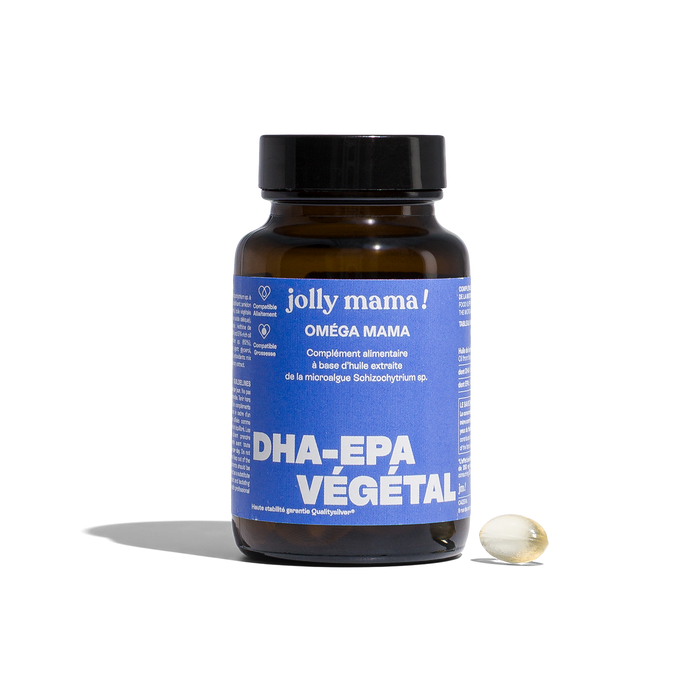
Omega Mama
Veganes Nahrungsergänzungsmittel reich an pflanzlichem DHA und EPA
250 mg DHA pro Kapsel
Außergewöhnliche Stabilität: Totox-Index von 4 dank Qualitysilver®-Technologie
Perfekt für alleab
23€AddKaufoptionen
-

 Add
AddPurple power
Pflanzliches Proteinpulver mit leckerem Heidelbeergeschmack
5 g Protein pro Portion (30 Portionen)
Reine Formel, ohne Zuckerzusatz, ohne Zusatzstoffe, Süßstoffe und Konservierungsstoffe
Perfekt für alleab
39€AddKaufoptionen
-


Vanifique
Snacks für Schwangerschaft und Empfängnis mit Vanille und Macadamia
400 μg Vitamin B9 (empfohlene Dosis)
natürliche Form, die der Körper super aufnehmen kann
Projekt BabySchwangerschaft29€ -


Bye bye nausea
Bio-Ingwer- und Kardamompulver gegen Übelkeit
15- bis 30-tägige Kur (30 Beutel)
Apfel-Ingwer-Geschmack
Schwangerschaft30€


